
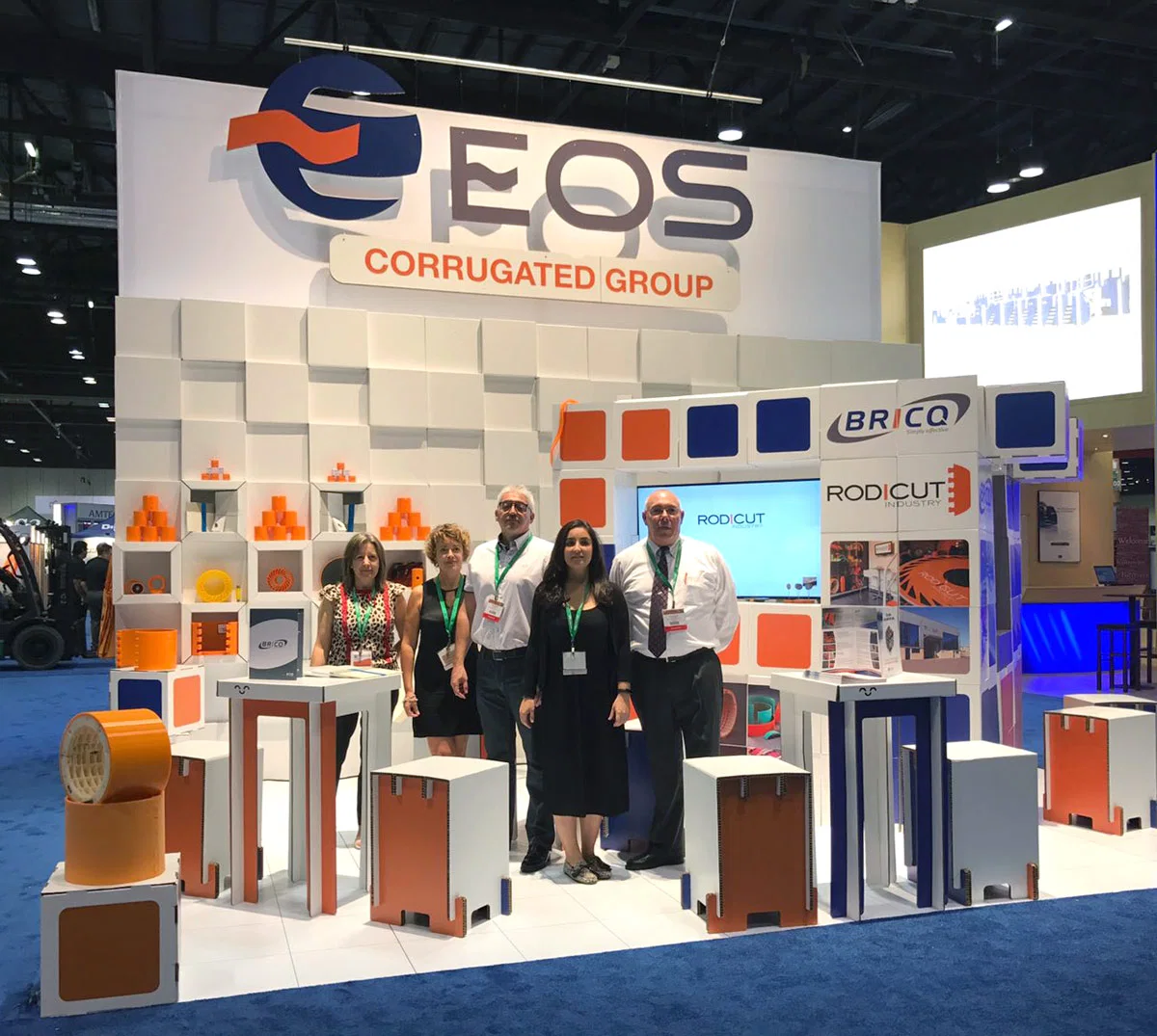
Industrial Trade Show Services is most useful when the event plan recognizes the expectations of operations and procurement-minded buyers.
The main planning priorities here are technical trust, clear product explanation, and a practical booth path over flashy complexity.
In Charleston, this industry often fits best in larger, more functional exhibit settings rather than in a flat venue shortlist.
That is how Industrial Trade Show Services planning becomes practical instead of decorative.
What drives the Charleston calendar
For the services, Charleston runs one of the busiest trade show calendars in the region. Convention weeks stack close together, hotel blocks compete for the same nights, and the venues themselves shape what is possible on the floor.
For the services, trade show weeks in Charleston compress decisions. Dock windows are finite, rigging slots fill fast, and the labor calendar around a citywide conference runs hot. Exhibitors who treat planning as optional lose time they do not get back.
That is a useful reference point when sizing the project.
For the services, Charleston is a world-class destination, and gatherings in the market average 10-15% more attendance, which sets the practical ceiling for a booth program working the market.
The buildings that host Charleston events
Charleston Area Convention Center: the venue offers 77,000 square feet of exhibit hall space and is designed for trade shows, conventions, and large meetings.
For the services, North Charleston Coliseum is one of the anchors. Meet Charleston identifies the Coliseum as part of the Charleston Area Convention Center campus and booking ecosystem.
For the services, the North Charleston Performing Arts Center the campus guide routes PAC access through the same 5001 Coliseum Drive complex and Montague Avenue convention district.
How Charleston floor operations work
On the services, labor in Charleston runs venue-by-venue, not citywide. Each building publishes its own rules for who handles what on the floor.
For the services at the North Charleston Convention Campus, the facilities provide utilities as an exclusive service.
Where Charleston shows cluster
Mount Pleasant and Harbor Corridor covers Mount Pleasant, Patriots Point, Shem Creek, Old Village.
For the services, the North Charleston Convention Campus runs across North Charleston, Convention Center / Tanger District, Airport Corridor. The region's strongest trade-show and expo cluster, designed around the convention center, adjacent campus venues, airport access, and nearby hotel inventory.
Scope on a industrial trade show services project
On a the services program, typical line items include booth structure (custom or rental), graphics and print, AV and lighting, show-service orders (power, internet, rigging), labor calls against the venue's rules, freight both ways, on-site supervision, and post-show closeout documentation.
The handoffs on an the services project matter almost as much as the line items. Design has to hand a build-ready drawing to fabrication. Every handoff is a place quality can drop.
On a the services program, the scope boundary is as important as scope inclusion.
How a project runs
From those four inputs, a real plan can be built.
On the services, venue coordination comes next. That means pulling the current exhibitor manual, confirming dock and freight windows, submitting rigging approvals where needed, and placing utility orders against the building's published specs.
On a the services program, production brings the plan into physical form: fabrication, graphics, AV, rentals, and the named lead who will run the floor.
On the services, install days are owned by a single on-site lead. That person carries the plan, works the punch list in real time, and reports up once a day with real status.
On a the services program, closeout is tight: strike, crate, manifest, storage designation, and a written post-show report delivered within a day. That document drives the next the services booking.
Pricing and scheduling
On a the services program, cost scales with how it is built, how big it is, what the venue charges for its own services, how the graphics are produced, how far the crates travel, and how many days the team stays on-site.
Custom: 16 to 20 weeks. Rental: 8 to 12.
Outcomes we optimize for
On a the services program, ROI is measured at the lead and pipeline level.
A week after the show, the services build's actual floor performance is already clearer than any pre-show projection. We document those observations alongside the technical closeout so the next cycle inherits real signal, not nostalgia.
What makes our work different
On the services, the difference from a national vendor shows up at the dock. A local team with an in-house shop can solve most install-day problems in the time it takes to drive back to the building with the right part.
Clients who run repeat programs across multiple dates pay less per event when the same team handles everything. Less re-briefing, less re-training, less re-checking. The operational overhead drops year over year.
Industrial Trade Show Services planning questions
Do you work at South Carolina Aquarium?
Yes.
How does labor work in Charleston?
It runs venue by venue.
How much lead time is ideal?
Custom builds run best with 16 to 20 weeks of lead time. Rentals take 8 to 12 weeks.
What information kicks off a project?
The show, the venue, the booth number, the dates, and a target budget range. From those, an initial scope and a realistic cost come back within a few days.
Who runs the booth on-site?
One named show-site lead runs the install, the show hours, and the strike. That person carries the floor plan and the punch list from crates to doors and reports up once a day.
Can the booth travel to the next city on our calendar?
Same structure, swappable graphics, standard crates.
What happens if something breaks during show hours?
The on-site lead handles it.