
Our crews cover the downtown peninsula, the North Charleston convention campus, and the East Cooper rooms across the Ravenel Bridge. Summerville builds and resort retreats on Kiawah, Seabrook, and Isle of Palms slot in when a brief calls for them.
About us
Charleston event work built around venue behavior, not flat promises
Trade Show Services of Charleston supports exhibits, conferences, sponsor activations, and event environments with one Charleston-specific execution sequence across booth design, rentals, graphics, labor, freight, AV, and field supervision.
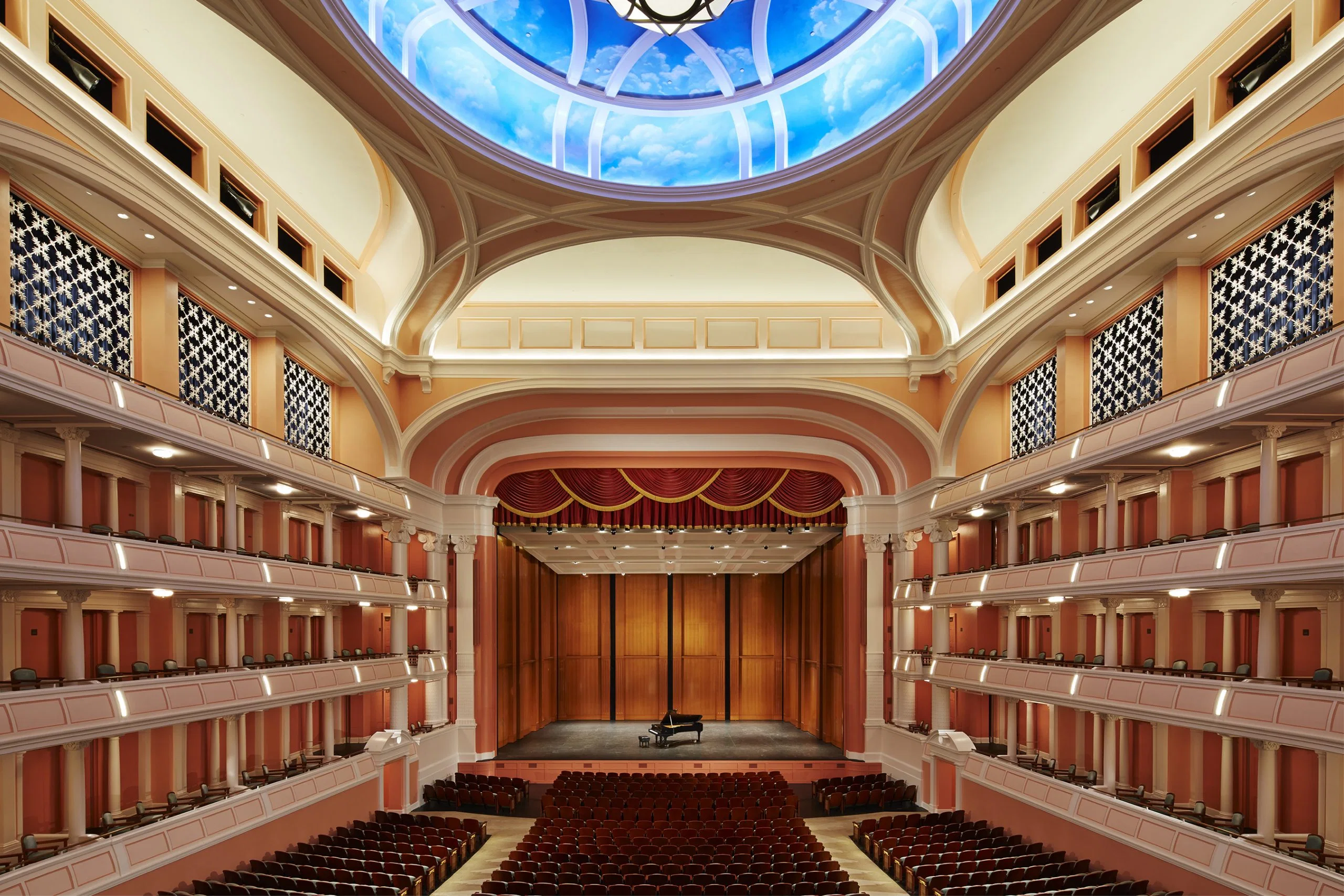
Charleston punishes flat planning language. A North Charleston convention date has a different support path than a Meeting Street ballroom, a harbor-side activation, or a Kiawah retreat. The room changes the freight pace, the labor window, the service-order path, and the amount of guest-facing polish the event has to carry once doors open. Strong event execution starts by accepting those differences early instead of selling one polished promise that breaks down the moment real venue behavior enters the conversation.
The work is built around that practical reality. Booth strategy, venue approvals, utilities, graphics production, AV planning, installation, dismantle, and show-site supervision all affect one another, so they are handled as one sequence. When those items are split too early, the client usually pays later through rushed approvals, duplicate conversations, oversized labor calls, or a room that never fully settles down once the audience arrives.
That discipline matters especially in Charleston because repeat dates are common. A client may return for an annual convention, a recurring sponsor event, a hotel-based leadership meeting, or a rotating series of exhibits that move between the convention district, the peninsula, and the coast. Every one of those programs benefits from better records, cleaner storage, stronger freight sequencing, and a booth system that can be refreshed without being reinvented.
Labor planning is a central part of that work. Crews need to match the actual scope of the installation, not a guess that was made before the room was confirmed. Supervisors need a clear decision path. Dock timing, safety requirements, punch work, and strike expectations should be understood before move-in begins. When the labor path is clear, the event feels calmer because the team knows what the room is supposed to become and how quickly each trade has to move.
Graphics and AV are treated the same way. Large-format branding, monitors, lighting, charging, sound, and presentation support all need review cycles, ordering windows, and technical ownership. If those layers drift behind the rest of the brief, the final week turns into a scramble. When they stay connected to the venue and schedule from the beginning, the environment is easier to approve, easier to install, and easier to operate once guests are in the room.
A serious Charleston event partner should also be realistic about risk. Weather, shipping delays, executive changes, sponsor edits, and venue restrictions all have the power to change the room late. The answer is not contingency language. The answer is ownership, disciplined communication, and enough field leadership to absorb changes without losing control of the event.
Buyers usually feel the value of that approach in three ways. First, the planning conversation becomes more specific faster, which makes decisions easier to defend internally. Second, the live event feels more controlled because fewer parts of the brief are still unsettled by the time crews arrive. Third, the closeout leaves behind usable value through storage notes, outbound freight discipline, graphics records, and a clearer understanding of what should be repeated or improved on the next date.
Charleston rewards teams that can move between convention halls, downtown hospitality venues, civic rooms, waterfront properties, and resorts without losing standards. That takes more than design taste. It takes practical knowledge of how rooms behave, how labor windows compress, how buyers move through a booth, and how quickly a project can drift if venue approvals and production timing are not tracked closely. Keeping all of that visible is the core of the work.
Regular load-ins at Charleston Area Convention Center, North Charleston Coliseum, North Charleston Performing Arts Center, Lowcountry Conference Center, plus the hotel ballrooms, cultural rooms, and waterfront pavilions Charleston planners book most often.
Historic Charleston Peninsula, North Charleston Convention Campus, Mount Pleasant and Harbor Corridor are the clusters we run every week. Routing, hotel blocks, and crew rotations are built around these submarkets, so a brief on the peninsula and a brief in Mount Pleasant get the same response time.
Charleston venues split on labor rules. We field install and dismantle crews where the venue permits it, coordinate as an exhibitor-appointed contractor when the show requires one, and hand off to in-house labor where the room mandates that path. Lead time on the order is the single biggest variable.
Operating priorities
Built around venue behavior, production timing, and repeat value
Charleston execution
Venue-led project planning
Every Charleston brief starts with the room, the access path, the guest flow, and the support systems required to make the environment function once the schedule tightens.
Charleston execution
Integrated event execution
Design, graphics, labor, freight, AV, installation, dismantle, and show-site leadership stay on one coordinated sequence so the room opens cleanly and closes with reusable value.
Charleston execution
Repeatable event support
Programs are scoped with storage, refresh cycles, and future dates in mind so the next Charleston event starts from a stronger operational position.
Next steps
Move into venue planning, service scope, or event format
Services
Scope labor, logistics, graphics, and show-site support
Move into service planning when the venue is known and the execution path needs to be translated into budget, labor, and field leadership.
ExploreVenues
Review Charleston rooms with real operating implications
Compare convention, ballroom, civic, and resort properties through the lens of dock access, utilities, attendee flow, and setup timing.
ExploreEvent Types
Match the format to staffing, AV, and room behavior
Use event formats when the key decision is how the audience will move and what kind of on-site control the day requires.
ExploreReady to brief your project?
Start with the venue, the dates, and the support mix.
Those three details usually clarify labor timing, graphics deadlines, AV needs, outbound freight planning, and how much supervision belongs on-site once the room goes live.