
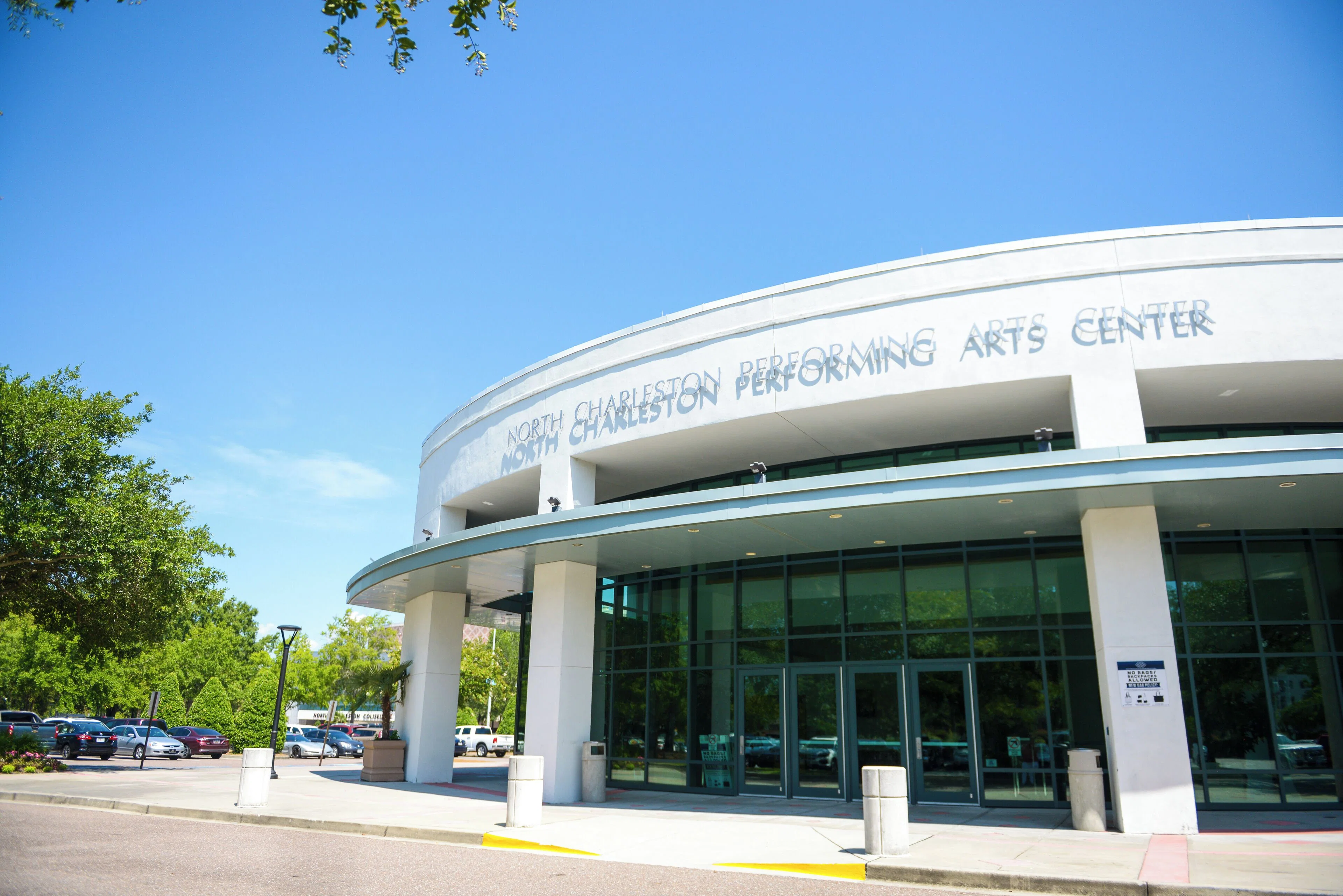
North Charleston Coliseum is one of Charleston's more meaningful arena options because it changes the event strategy in concrete ways. Venue choice here is not simply aesthetic. It affects the order path, the labor model, the scale of what feels appropriate, and how the client should brief show-week support.
5001 Coliseum Drive, North Charleston, SC 29418 is the practical anchor for that conversation. Buyers should know what type of event this property naturally supports and where it begins to ask for more deliberate coordination than a flat venue list would suggest.
Meet Charleston identifies the Coliseum as part of the Charleston Area Convention Center campus and booking ecosystem.
Useful when convention work needs an arena-scale general session, public show component, or adjacent large-format room on the same campus.
For the coliseum, treat the North Charleston campus as a service-order-driven venue environment where utilities, staffing, rigging, loading-dock procedure, and current decorator or catering paths should be verified against current facility instructions.
For the coliseum, a venue section that does its job well lets the buyer see, the buyer can quickly see whether the building matches the commercial objective and what must be managed differently here than at another Charleston property.
Verified venue facts
What we know about North Charleston Coliseum
- Meet Charleston identifies the Coliseum as part of the Charleston Area Convention Center campus and booking ecosystem.
- The current convention-center section says the full campus is managed by ASM Global.
- The campus guide places the Coliseum at 5001 Coliseum Drive with direct regional routing via Montague Avenue, International Boulevard, I-526, and the airport interchange.
About North Charleston Coliseum
Meet Charleston identifies the Coliseum as part of the Charleston Area Convention Center campus and booking ecosystem.
The campus guide places the Coliseum at 5001 Coliseum Drive with direct regional routing via Montague Avenue, International Boulevard, I-526, and the airport interchange.
Located at North Charleston Convention Campus.
On any the coliseum project, the first step is pulling the current exhibitor manual and confirming the service-order deadlines, dock windows, and any rigging approval path. Design decisions come after those are locked.
What drives the Charleston calendar
For the coliseum, Charleston is a working trade show market. Its anchor venues host hundreds of events a year, and the rhythm of load-in, show hours, and strike is well-established across the local vendor base.
The floor mechanics stay consistent.
For the coliseum, Charleston International Airport has nonstop service to 50 destinations in the U.S. And Canada, which sets the practical ceiling for a booth program working the market.
For the coliseum, Meet Charleston highlights I-26 and US 17 as the core highway approaches into the market — a useful reference point when sizing a project.
How we're built to run your project
On the coliseum, the difference from a national vendor shows up at the dock. A local team with an in-house shop can solve most install-day problems in the time it takes to drive back to the building with the right part.
Clients who run repeat programs across multiple dates pay less per event when the same team handles everything. Less re-briefing, less re-training, less re-checking. The operational overhead drops year over year.
Operational rules on the Charleston floor
On the coliseum, Charleston floor operations follow the venue's own manual. Dock timing, utility orders, rigging, and crew calls all come out of that document.
On the coliseum, the labor plan takes one call with the venue's exhibitor services desk, one review of the current manual, and one email to the general contractor. Skipping any of those three is usually where problems start.
For the coliseum at the North Charleston Convention Campus, the facilities provide utilities as an exclusive service.
Practical planning rules for the coliseum in Charleston: Venue labor and service expectations vary by property, so current venue instructions should be reviewed before promising any specific outside-scope path. The North Charleston campus is best described as venue-managed and service-order-driven rather than with a blanket citywide labor label.
What's included in the project scope
Projects at the coliseum typically include design work, fabrication or rental sourcing, graphics production, show-service paperwork, freight, install, show-hours coverage, and strike.
On a the coliseum build, typical line items include booth structure (custom or rental), graphics and print, AV and lighting, show-service orders (power, internet, rigging), labor calls against the venue's rules, freight both ways, on-site supervision, and post-show closeout documentation.
On the coliseum, good execution comes from keeping the team small and the handoffs short. Every extra vendor in the chain adds a communication layer and a place where details get lost.
On a the coliseum build, the scope boundary is as important as scope inclusion.
What an engagement actually looks like
From those four inputs, a real plan can be built.
On the coliseum, venue coordination comes next. That means pulling the current exhibitor manual, confirming dock and freight windows, submitting rigging approvals where needed, and placing utility orders against the building's published specs.
On a the coliseum build, production brings the plan into physical form: fabrication, graphics, AV, rentals, and the named lead who will run the floor.
On the coliseum, install days are owned by a single on-site lead. That person carries the plan, works the punch list in real time, and reports up once a day with real status.
During the coliseum show hours, the booth is a live operating space. The on-site team handles repairs, sponsor requests, lead-capture issues, and any venue questions so the client's staff can focus on conversations.
On a the coliseum build, closeout is tight: strike, crate, manifest, storage designation, and a written post-show report delivered within a day. That document drives the next the coliseum booking.
What it costs and how fast it moves
On the coliseum, pricing is driven by real line items: fabrication or rental, graphics, show services, labor, freight, and travel where it applies. Round numbers without that breakdown usually hide something.
On a the coliseum build, cost scales with how it is built, how big it is, what the venue charges for its own services, how the graphics are produced, how far the crates travel, and how many days the team stays on-site.
On the coliseum, lead time drives everything. Custom: 16 to 20 weeks. Rental: 8 to 12.
What a successful project looks like
A successful the coliseum project in Charleston looks like a booth that lands on time, passes venue inspection on the first walk, runs without incident through show hours, and ships out the same day it strikes.
On a the coliseum build, ROI is measured at the lead and pipeline level.
A week after the show, the coliseum build's actual floor performance is already clearer than any pre-show projection. We document those observations alongside the technical closeout so the next cycle inherits real signal, not nostalgia.
North Charleston Coliseum planning questions
How does labor work in Charleston?
It runs venue by venue.
How much lead time is ideal?
Custom builds run best with 16 to 20 weeks of lead time. Rentals take 8 to 12 weeks.
What information kicks off a project?
The show, the venue, the booth number, the dates, and a target budget range. From those, an initial scope and a realistic cost come back within a few days.
Who runs the booth on-site?
One named show-site lead runs the install, the show hours, and the strike. That person carries the floor plan and the punch list from crates to doors and reports up once a day.
Can the booth travel to the next city on our calendar?
Same structure, swappable graphics, standard crates.
What happens if something breaks during show hours?
The on-site lead handles it.