
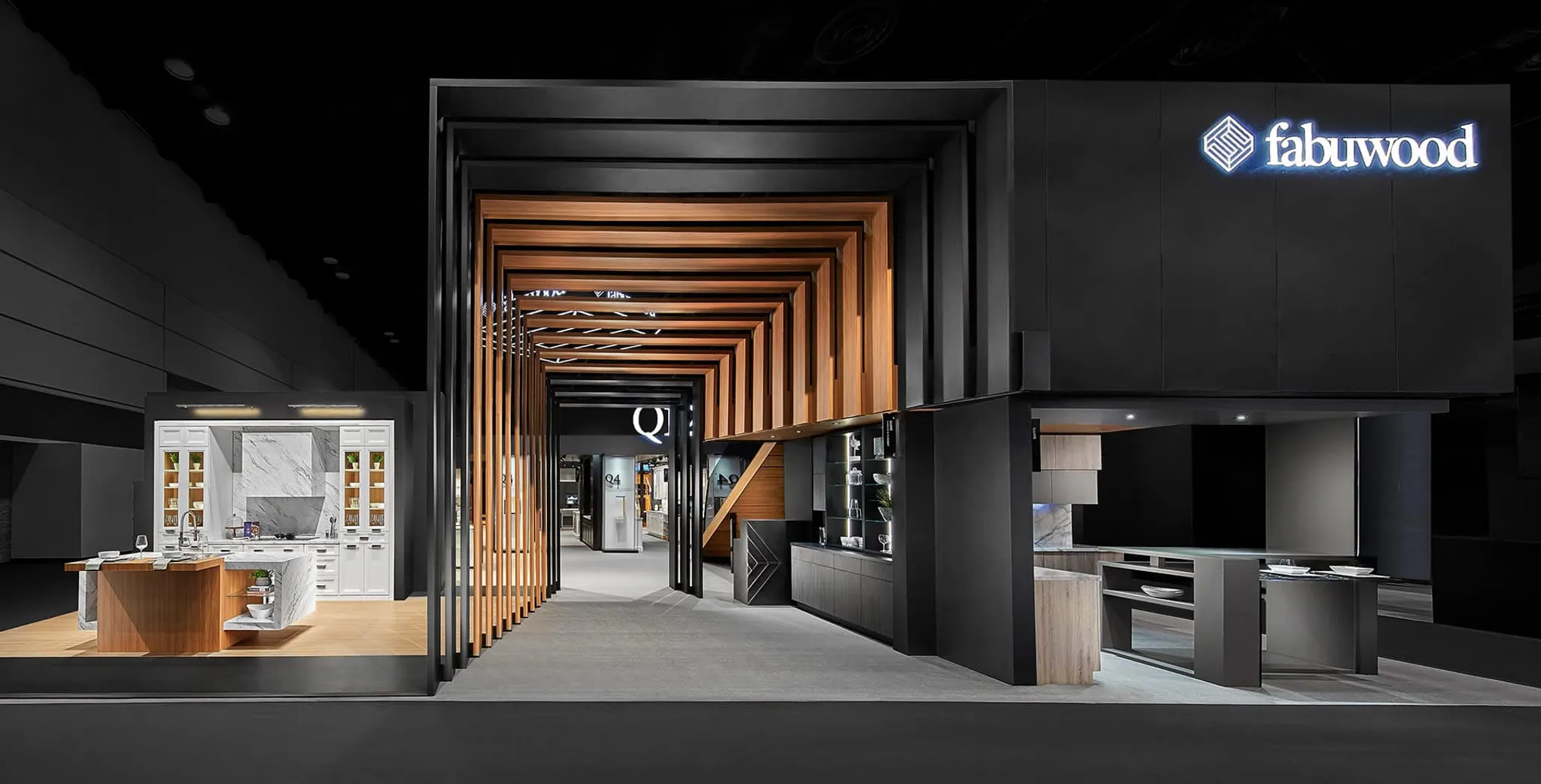
Trade Show AV Production only works when the creative idea is translated into a technical plan the venue and show schedule can support. In Charleston, that means aligning graphics, AV, lighting, rigging, staging, or registration hardware with the room's actual order path rather than assuming technical decisions can be solved the week of the show.
On the production, the visible result matters, but technical readiness matters just as much. Screens have to read from the aisle, playback cues have to match the show flow, power has to support the real draw, and the install sequence has to leave enough time to test before the room fills up.
CHS route access plus the convention-center district's hotel base make fly-in regional meetings and distributor events defensible demand slices. That demand is one reason Charleston technical scopes need more nuance than flat AV language.
North Charleston Coliseum, Hotel Bennett, and Kiawah Island Golf Resort each reward different technical choices. Some environments justify higher-impact reveal moments. Others demand faster resets, quieter integration, or tighter coordination with in-house service teams.
When the production is scoped properly, the audience notices the brand and the content instead of the support system. That is the point.
On the production, clients also gain a more durable technical framework: who approves show content, when rehearsals happen, what gets stored, and which hardware or graphic surfaces can be repeated on the next date.
Charleston trade show market
For the production in Charleston, trade shows move fast. Major venues book out months in advance, freight windows run tight, and the exhibitors who win their weeks are the ones who arrive with a plan already in hand.
The floor mechanics stay consistent.
For the production, Meet Charleston highlights I-26 and US 17 as the core highway approaches into the market, which sets the practical ceiling for a booth program working the market.
for the production, the market's main exhibit venue offers 77,000 square feet of exhibit-hall space and nine loading docks — a useful reference point when sizing a project.
Charleston convention venues and meeting properties
For the production, every Charleston show takes place in a specific building with its own rules. The venues below come up most often on the production calendar tied to this scope.
The plan has to match the specific building.
For the production, Memminger Auditorium is a historic venue located at 56 Beaufain Street on the Charleston peninsula, originally built in 1939 as a school auditorium.
For the production, Belmond Charleston Place is one of the anchors. Belmond Charleston Place, formerly the Charleston Place, is the peninsula's largest luxury convention hotel with a 14,432-square-foot ballroom and theater capacity for 1,450 guests.
For the production, Embassy Suites Charleston Airport Hotel & Convention Center. Embassy Suites Charleston Airport Hotel & Convention Center is located at 5055 International Boulevard near the Charleston International Airport and convention campus.
Charleston labor and venue services
On the production, there is no single labor model for Charleston trade shows. The right approach depends on the specific venue and the show organizer's contracts.
For the production, that means pulling the current exhibitor manual for every show and confirming a handful of items in writing: which tasks the venue's house crews cover, which tasks the show's general contractor covers, and what an exhibitor or their appointed contractor can handle without escalation.
For the production at North Charleston Convention Campus, event staffing is an exclusive service. Production and exhibitor rigging are also called out as exclusive services.
When this the production page references labor, rigging, utilities, catering, or decorator flow, the goal is to help buyers plan around verified venue behavior rather than assume last-show conditions still apply. Venue labor and service expectations vary by property, so current venue instructions should be reviewed before promising any specific outside-scope path.
The main Charleston event areas
Barrier-Island Resort Corridor covers Isle of Palms, Sullivan's Island, Kiawah Island, Seabrook Island.
For the production, Historic Charleston Peninsula (Charleston, Downtown Charleston, Charleston Peninsula — is a different environment. This is the premium urban cluster with Charleston Place, Hotel Bennett, Francis Marion, the Gaillard Center, the aquarium, and high-value hospitality.
What's included in the project scope
The production projects typically include design work, fabrication or rental sourcing, graphics production, show-service paperwork, freight, install, show-hours coverage, and strike.
On a the production engagement, the budget usually carries structure, graphics, AV, show-service orders through the venue, labor, freight, supervision days, and closeout. Items layer in or drop out based on the production scope.
A bad one has many, because they were not.
Those run alongside the engagement rather than inside it.
The process from start to finish
Every the production engagement starts with a scope conversation: the show, the venue, the booth number, the dates, and the budget frame. Ten minutes of specifics produces a better the production plan than a week of generalities.
Once the production scope is clear, the venue work begins. Exhibitor manual, dock times, utility order IDs, rigging submissions for hanging elements, and labor calls all get locked against the venue's actual rules.
On a the production engagement, production brings the plan into physical form: fabrication, graphics, AV, rentals, and the named lead who will run the floor.
On a the production engagement, one named show-site lead runs the install. Not a rotating crew, not a remote account manager.
For the production, show-hours coverage is part of every engagement, not a premium add-on. On-floor support keeps the booth running while the client team runs the pipeline.
That document drives the next the production booking.
Budget and timeline
There is not a single price. There is a configuration.
On a the production engagement, cost scales with how it is built, how big it is, what the venue charges for its own services, how the graphics are produced, how far the crates travel, and how many days the team stays on-site.
On the production timing: custom builds for Charleston shows run best with 16 to 20 weeks of lead time. Rental programs run on 8 to 12.
Outcomes we optimize for
A the production project runs well when install clears the venue's published window, all show services land as ordered, the booth performs across every show day without pulling the client team off pipeline work, and strike clears the dock before the next occupant loads in.
On a the production engagement, ROI is measured at the lead and pipeline level. The show-floor execution either protects or undermines those numbers.
On a the production engagement, the post-show debrief connects the numbers back to the physical build. That feedback shapes the next the production engagement rather than getting lost.
The advantage of a local Charleston team
A graphic that needs to be reprinted at 6 a.m.
Clients who run repeat programs across multiple dates pay less per event when the same team handles everything. Less re-briefing, less re-training, less re-checking. The operational overhead drops year over year.
Trade Show AV Production planning questions
Do you work at Belmond Charleston Place?
Yes. Belmond Charleston Place, formerly the Charleston Place, is the peninsula's largest luxury convention hotel with a 14,432-square-foot ballroom and theater capacity for 1,450 guests.
How does labor work in Charleston?
It runs venue by venue.
How much lead time is ideal?
Custom builds run best with 16 to 20 weeks of lead time. Rentals take 8 to 12 weeks.
What information kicks off a project?
The show, the venue, the booth number, the dates, and a target budget range. From those, an initial scope and a realistic cost come back within a few days.
Who runs the booth on-site?
One named show-site lead runs the install, the show hours, and the strike. That person carries the floor plan and the punch list from crates to doors and reports up once a day.
Can the booth travel to the next city on our calendar?
Same structure, swappable graphics, standard crates.
What happens if something breaks during show hours?
The on-site lead handles it.