
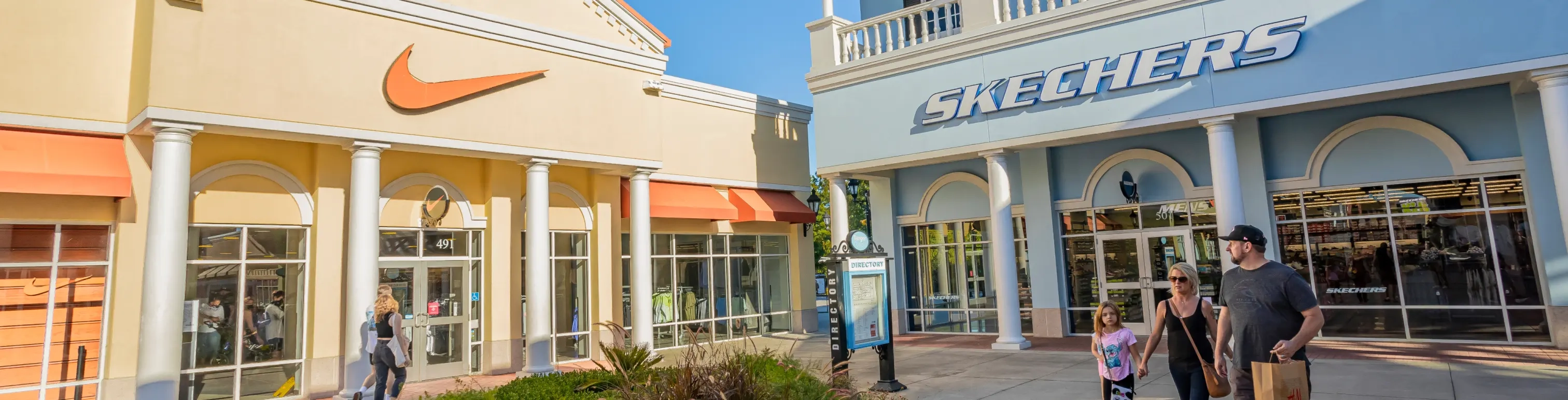
Convention Center / Tanger District sits in the convention and airport corridor of the Charleston market and matters because directly tied to the charleston area convention center campus and the meet charleston transportation map.
North Charleston Convention Campus is the clearest cluster lens for this section. The region's strongest trade-show and expo cluster, designed around the convention center, adjacent campus venues, airport access, and nearby hotel inventory.
Citywide Conventions and Expos is one reason the district deserves its own planning language.
For the district, good location planning is not about sounding local.
For the district, that is especially important on repeat programs, because the right Charleston submarket can reduce friction for years while the wrong one keeps forcing preventable workarounds.
About Convention Center / Tanger District
Directly tied to the Charleston Area Convention Center campus and the Meet Charleston transportation map.
Convention Center / Tanger District sits in the Convention and airport corridor area.
Production for the district shows starts with the same brief we run for the rest of Charleston: venue specifics, show dates, footprint, outcome.
Charleston as a trade show city
For the district in Charleston, trade shows move fast.
For the district, trade show weeks in Charleston compress decisions.
For the district, Meet Charleston highlights I-26 and US 17 as the core highway approaches into the market.
for the district, the market's main exhibit venue offers 77,000 square feet of exhibit-hall space and nine loading docks — a useful reference point when sizing a project.
Where Charleston shows actually happen
For the district, the building matters more than almost anything else in the plan. A few Charleston venues carry most of the calendar.
For the district, a venue walk — either in person or via the published floor plan — is the step that reveals constraints no spec sheet shows.
North Charleston Performing Arts Center: the campus guide routes PAC access through the same 5001 Coliseum Drive complex and Montague Avenue convention district.
Lowcountry Conference Center is one of the anchors.
Charleston Gaillard Center.
Who handles what during the Charleston install window
On the district, most of what goes wrong on a Charleston install traces back to assumptions about labor.
On the district, the labor plan takes one call with the venue's exhibitor services desk, one review of the current manual, and one email to the general contractor.
For the district at the South Carolina Aquarium, the venue uses exclusive catering partners and an exclusive bar partner.
When this the district page references labor, rigging, utilities, catering, or decorator flow, the goal is to help buyers plan around verified venue behavior rather than assume last-show conditions still apply.
Scope in Convention Center / Tanger District
A full the district engagement covers scope development, fabrication or rental, graphics, show services, logistics, and on-site execution from move-in through dismantle.
On a the district project, the budget usually carries structure, graphics, AV, show-service orders through the venue, labor, freight, supervision days, and closeout. Items layer in or drop out based on the district scope.
The handoffs on a project in the district matter almost as much as the line items. Design has to hand a build-ready drawing to fabrication. Every handoff is a place quality can drop.
On a the district project, the scope boundary is as important as scope inclusion.
From first call to strike
Every the district engagement starts with a scope conversation: the show, the venue, the booth number, the dates, and the budget frame. Ten minutes of specifics produces a better the district plan than a week of generalities.
After the district brief, the work turns to the building itself.
With the district venue details locked, production runs.
On a the district project, one named show-site lead runs the install. Not a rotating crew, not a remote account manager.
During the district show hours, the on-site lead stays present.
After the district show hours, strike runs against the venue's posted window, and a same-day debrief captures what held and what needs to change before the next date.
Cost and lead time
Every the district project has the same cost drivers.
On the district, the levers that matter are build path (custom, rental, or hybrid), footprint, venue service fees, graphics, freight, and supervision days.
On the district timing: custom builds for Charleston shows run best with 16 to 20 weeks of lead time. Rental programs run on 8 to 12.
Outcomes we optimize for
The measure of a good the district engagement is simple: on-time install, no venue callouts, clean show hours, and a closeout that makes the next event easier to book.
Exhibitors who measure the district seriously track leads, floor-booked meetings, and post-show pipeline.
On a the district project, the post-show debrief connects the numbers back to the physical build. That feedback shapes the next the district engagement rather than getting lost.
Why Trade Show Services of Charleston
On work, having a Charleston-based shop matters most when something goes wrong on-site.
Over a multi-show the district calendar, the compound value of a single team shows up in fewer surprises.
Convention Center / Tanger District planning questions
Do you work at Charleston Visitor Center?
Yes.
How does labor work in Charleston?
It runs venue by venue.
How much lead time is ideal?
Custom builds run best with 16 to 20 weeks of lead time. Rentals take 8 to 12 weeks.
What information kicks off a project?
The show, the venue, the booth number, the dates, and a target budget range. From those, an initial scope and a realistic cost come back within a few days.
Who runs the booth on-site?
One named show-site lead runs the install, the show hours, and the strike. That person carries the floor plan and the punch list from crates to doors and reports up once a day.
Can the booth travel to the next city on our calendar?
Same structure, swappable graphics, standard crates.
What happens if something breaks during show hours?
The on-site lead handles it.